Winchmore Hill office flowers for local business accounts
Posted on 03/10/2026
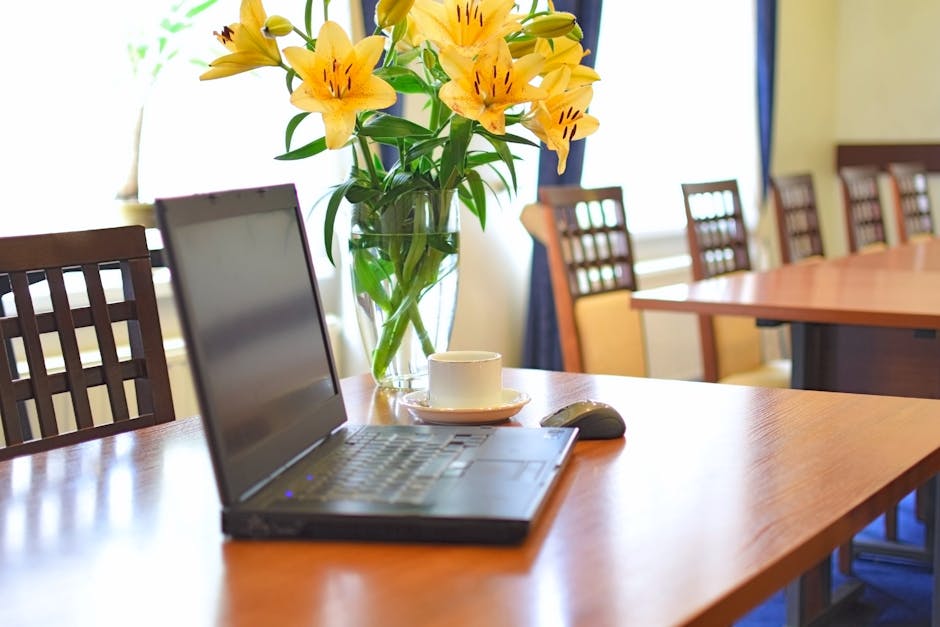
If you manage a reception desk, a showroom, a clinic, a studio, or a shared workspace in North London, you already know how much the first five seconds matter. Fresh flowers change the tone of a room fast. They soften a hard office, make a lobby feel cared for, and quietly tell clients, visitors, and staff that details are taken seriously. That is the real value of Winchmore Hill office flowers for local business accounts - not just "pretty flowers", but a reliable service that supports your brand every week.
This guide breaks down how business flower accounts work, why they are worth considering, what to ask for, and how to avoid the usual headaches. Whether you want a weekly vase refresh, seasonal reception displays, or a more flexible arrangement plan, you will find a practical route through it here. And yes, we will keep it human. No fluff. No fantasy blooms that never survive a Monday.
Table of Contents
- Why Winchmore Hill office flowers for local business accounts Matters
- How Winchmore Hill office flowers for local business accounts Works
- Key Benefits and Practical Advantages
- Who This Is For and When It Makes Sense
- Step-by-Step Guidance
- Expert Tips for Better Results
- Common Mistakes to Avoid
- Tools, Resources and Recommendations
- Law, Compliance, Standards, or Best Practice
- Options, Methods, or Comparison Table
- Case Study or Real-World Example
- Practical Checklist
- Conclusion
- Frequently Asked Questions
Why Winchmore Hill office flowers for local business accounts Matters
In a busy local business area like Winchmore Hill, presentation still counts. A tidy entrance is one thing. A fresh floral arrangement in the right place adds warmth, rhythm, and a little calm to the day. It does not have to be grand. In fact, for many offices, understated is better. A compact vase by the reception bell, a few stems in the meeting room, or a larger statement piece for client-facing areas can do more than a generic ornament ever will.
For local business accounts, the key difference is consistency. A one-off bouquet is nice. An account is more practical. You get planned delivery, repeat styling choices, and a supplier who understands your schedule, your space, and your standards. That matters if you are juggling staff, visitors, supplier drop-offs, and the usual "can someone sign for this?" office chaos. Let's face it, no one wants to think about flowers every Tuesday morning.
There is also a quieter branding effect. Fresh flowers can make a business feel more welcoming and more attentive without needing to say anything at all. For a solicitor's office, a finance team, a clinic, a recruitment agency, or an interior design studio, that calm, thoughtful impression helps the whole room feel better aligned with the service being offered.
When people search for Winchmore Hill office flowers for local business accounts, they are usually looking for a service that is local enough to be reliable and flexible enough to fit real working life. Not a stiff contract. Not a one-size-fits-all hamper of petals. Something workable.
Practical summary: business flower accounts are about regularity, presentation, and reduced admin. The best arrangements are the ones that look effortless on the day because someone sensible planned them properly beforehand.
How Winchmore Hill office flowers for local business accounts Works
The process is usually simpler than people expect. You discuss your space, your budget, and the look you want. Then the florist builds a schedule around that. In most cases, the account can be shaped around weekly, fortnightly, or event-based deliveries, depending on how much impact you want and how much upkeep the arrangement needs.
A good local business account normally starts with a short conversation about practical details:
- where the flowers will sit
- who receives them on delivery
- how visible they need to be
- whether you prefer low, medium, or high arrangements
- what colours suit your brand or interior
- whether fragrance should be subtle or avoided
That last point is easy to overlook. But it matters more than many businesses realise. A heavily scented lily arrangement can be lovely in one setting and completely wrong in another, especially in smaller rooms or shared spaces. In our experience, the best office displays are often the quiet ones. They look fresh, not loud.
Once the basics are agreed, the florist can suggest a structure. Some businesses want a predictable style each week. Others prefer seasonal variation. A few want a mix: consistent size and placement, but with changing flowers and colour palettes. This is where a proper account becomes useful, because the service can be adapted rather than reset from scratch every time.
If your business also needs occasional same-day support for launches, client visits, or last-minute events, it helps to know what can be arranged alongside your regular service. A service such as same-day flower delivery in Winchmore Hill can be useful for those sharper deadlines, while a broader flower delivery Winchmore Hill N21 option is helpful if you need a dependable local supply stream.
Accounts also tend to work best when there is a named contact on both sides. One person approves the style, another receives the invoice or delivery notice, and the florist knows who to speak to if access instructions change. It sounds small, but it saves a lot of back-and-forth later. Honestly, this is where many office services either feel smooth or slightly messy.
Key Benefits and Practical Advantages
The strongest reason to set up office flowers on account is that it removes friction. That is the real benefit. You are not making one-off decisions every time the vase looks tired. You are creating a routine that supports the space without needing constant attention from your team.
1. A better first impression
Visitors often notice reception areas before anything else. Flowers signal care, organisation, and attention to detail. They can make a room feel less transactional, which is useful in any business where trust matters.
2. Less admin for your team
With a local business account, there is no repeated reordering from scratch each week. The arrangement pattern is already agreed, so your team can get on with actual work instead of chasing one more supplier email. Small win, but it counts.
3. More consistent brand presentation
Flowers can echo brand colours, interior style, or the tone you want clients to feel. A clean white palette feels different from mixed seasonal colour. Soft pinks read more gentle; bold reds feel more confident. A good florist will understand this without needing a design lecture over the phone.
4. Better value over time
Accounts often make budgeting easier because the spend becomes predictable. That does not mean cheaper is always better. It means you can plan for quality without treating flowers as an emergency purchase every time you need the office to look sharp.
5. More flexibility for local events
If you host meetings, interviews, open days, product launches, or client drinks, a business account can usually flex around those dates. You may want something small and elegant most weeks, then a more prominent arrangement when a key guest is due.
| What you need | One-off ordering | Business flower account |
|---|---|---|
| Regular reception flowers | Repeat manual ordering | Usually scheduled in advance |
| Budget control | Can vary each time | More predictable and easier to plan |
| Style consistency | Depends on each order | Maintained across deliveries |
| Last-minute changes | Possible, but reactive | Usually easier if arranged with the florist |
| Suitable for busy teams | Less efficient | Much more practical |
That table is simplified, of course, but the direction is clear. If flowers are part of your presentation rather than an occasional treat, an account makes the whole thing much easier to manage.
Who This Is For and When It Makes Sense
Not every business needs flowers every week. To be fair, some spaces are too small, too temporary, or too low-traffic for it to be worthwhile. But for many local companies in and around Winchmore Hill, the idea makes a lot of sense.
This kind of service is especially useful for:
- reception-led businesses that meet clients face to face
- professional services such as law, finance, property, or consulting
- health and wellbeing spaces where the atmosphere should feel calm
- creative studios that want the office to feel curated
- hotels, salons, and clinics with regular foot traffic
- shared offices or managed workspaces needing simple, low-fuss styling
It also makes sense before periods when presentation matters more than usual. Think about board meetings, open days, seasonal campaigns, staff celebrations, or even the week you finally decide to sort out the front desk after ignoring it for months. We have all seen that desk. It is doing its best.
If your workplace is mostly remote or mostly back-office, flowers may still work, but the brief changes. In that case, you might want something smaller, more occasional, or event-led. And if you only need flowers for particular moments rather than an ongoing service, browsing a florist's broader range such as flower shops in Winchmore Hill N21 can help you compare styles before deciding on a recurring account.
There is a sweet spot here. If you find yourself ordering the same thing repeatedly, trying to make the office look better without adding more admin, or wishing the reception area felt less bare on Mondays, that is usually the moment a business account starts earning its keep.
Step-by-Step Guidance
Setting up a floral account for a local business does not need to be complicated. In fact, the best accounts are usually the ones built on clear, plain-English decisions. Here is a sensible way to approach it.
Step 1: Define the purpose
Start with the job the flowers need to do. Are they there to impress clients, brighten staff areas, support a brand refresh, or simply make the entrance feel less cold? The answer affects the size, style, fragrance, and frequency.
Step 2: Choose the right placement
Reception desks, meeting tables, waiting areas, kitchen counters, and private offices all have different needs. A tall arrangement might look perfect in a foyer but completely block sightlines on a conference table. Keep the practical view in mind.
Step 3: Decide on frequency
Weekly delivery is common for high-traffic offices, while fortnightly may be enough for lower-use spaces. If your team often forgets about flowers until they are a bit sorry for themselves, weekly may actually be the more economical choice. Sounds odd, but it is true.
Step 4: Set a style brief
Be clear about colour palette, mood, and scale. You do not need design jargon. Simple instructions work best: "soft neutrals", "corporate and clean", "seasonal but restrained", or "something cheerful, not flashy".
Step 5: Discuss delivery and access
Office buildings can be awkward at times. Security desks, shared entrances, loading restrictions, and lunch-hour access windows all affect delivery. Share the practical details early so there are no awkward phone calls from the pavement.
Step 6: Review after the first few deliveries
A good account should improve over time. If the scale is too small, the colours too busy, or the blooms not lasting as expected, say so. Most local florists will welcome clear feedback. It is better than guessing and hoping.
If you want a simple benchmark, use this thought: by the third delivery, the arrangement should already feel "right" in the space. If it does not, the brief probably needs adjusting. Small changes make a big difference.
Expert Tips for Better Results
Over time, you start to see which details matter and which ones are merely decorative in the planning stage. Here are the things that usually improve results most.
- Choose flowers that match the room temperature and light. Bright rooms can handle more delicate blooms. Cooler, shaded spaces often benefit from sturdier stems.
- Keep scent in check. Subtle fragrance is usually enough for offices. Strong scent can distract people at their desks.
- Use the space, not just the bouquet. A large arrangement on a small counter can feel cluttered. A modest vase in the right spot often looks more premium.
- Think in seasons. Seasonal choices tend to feel fresher and more natural. They also give the office a subtle sense of change through the year.
- Keep the palette stable if your brand is strong. Consistency can be more valuable than novelty in professional settings.
- Ask about vase return or swap arrangements. That can simplify maintenance and reduce clutter in the office kitchen. Nobody needs another lonely vase in the cupboard.
One small but important tip: ask how long the flowers are expected to look good in your specific environment. A room with heating on all day is not the same as a cool reception area. Truth be told, a bouquet can behave very differently from one office to the next.
For local businesses that want presentation and flexibility together, it can also help to look at broader service pages such as corporate accounts, especially if you need a reliable framework for multiple deliveries or repeated office styling.

Common Mistakes to Avoid
Most problems with business flowers are not dramatic. They are just avoidable. A few small decisions go wrong, and then the whole setup feels more awkward than elegant.
Picking arrangements that are too large
Big does not always mean better. Oversized flowers on a reception counter can block paperwork, crowd the desk, and make the space feel less functional. The goal is to complement the room, not take it over.
Ignoring fragrance
This one catches people out. A beautiful bouquet can still be a poor office choice if the scent is too strong for a meeting space or shared environment. Ask for something suitable for workspaces specifically.
Not planning for delivery access
It sounds obvious, but office deliveries often fail because no one knows where the flowers should go or who can accept them. The florist can only do so much if the building instructions are vague.
Leaving the brief too open
"Something nice" is not a proper brief. It might work once. It will not work every week. Give the florist enough guidance to keep the account consistent.
Forgetting about maintenance
If you want a display to last longer, someone still needs to top up water or remove spent flowers where appropriate. Without a simple care routine, even a good arrangement can lose its shape early.
Choosing based only on price
Budget matters, obviously. But the lowest price can mean smaller blooms, less durability, or weaker presentation. For business use, value usually beats bargain-hunting. Not always, but often enough.
Tools, Resources and Recommendations
To manage office flowers well, you do not need a huge toolkit. You mainly need a few sensible habits and the right communication. Still, a bit of structure helps.
- Simple space notes: jot down where each arrangement sits and whether the area is warm, cool, bright, or shaded.
- Delivery contact list: keep one named contact for reception, accounts, and internal approval if needed.
- Style reference photos: three or four example images are often enough to explain the mood you want.
- Budget band: decide what range is realistic before asking for proposals.
- Maintenance plan: agree who checks water levels, removes packaging, and alerts the florist if anything changes.
It can also help to understand the florist's wider service range. If you occasionally need flowers for individual staff celebrations, thank-you gifts, or client gestures, pages like send flowers Winchmore Hill and next day flower delivery Winchmore Hill N21 may give you a clearer picture of what else is available alongside the account service.
For practical office use, you might also look for products and styles that are easy to manage: flowers in a vase are often the simplest option for receptions, while luxury flowers may suit client-facing spaces where visual impact matters more. If budget is a factor, a clearly defined selection like budget or cheap flowers can still work, provided the scale and quality are right for the room.
Law, Compliance, Standards, or Best Practice
For office flowers, there is not usually a complicated legal framework in the way there might be for food, medical products, or heavy equipment. Still, a few best-practice points matter in a professional setting.
First, think about access and building rules. Some workplaces have reception procedures, security sign-in, or delivery windows that suppliers must follow. If your office is in a managed building, it is worth confirming those rules early. Nothing dramatic, just the usual practical stuff.
Second, be mindful of allergies and sensitivities. Strong scent, pollen-heavy blooms, or certain plants may not be suitable in every environment. This is not about being overly cautious. It is about being considerate, especially in shared spaces.
Third, if flowers are being billed to a business account, keep your internal approval and payment process clear. That helps with accounting, purchasing records, and anyone reviewing supplier costs later. A clean paper trail is simple best practice, and it saves headaches when finance asks, "what was this for again?"
Fourth, if you are using flowers as part of wider workplace presentation or events, you may want to align with any internal sustainability policy or procurement standards your organisation follows. Many businesses now prefer suppliers who can explain sourcing, waste reduction, and packaging choices in plain terms. The useful part is not the buzzwords. It is the habit of asking sensible questions.
For reassurance, reputable florists should also be clear about delivery expectations, refunds or replacements where relevant, and how care advice is handled. If you need to check those details, policy pages such as returns and refund, delivery, guarantees, and terms and conditions are worth reading before setting up an ongoing account.
Options, Methods, or Comparison Table
There are a few different ways to approach office flowers. The best choice depends on how often you need them and how much control you want.
| Option | Best for | Pros | Trade-offs |
|---|---|---|---|
| Weekly business account | Busy reception-led offices | Consistent look, low admin, reliable cadence | Requires ongoing budget commitment |
| Fortnightly account | Smaller teams or lower-traffic spaces | Lower spend, still regular | May feel less fresh in high-use areas |
| One-off arrangements | Events, launches, or seasonal moments | Flexible and simple for occasional use | Less consistency, more manual ordering |
| Mixed approach | Businesses with changing needs | Balances routine and flexibility | Needs clearer communication |
If you are undecided, a mixed approach is often the most sensible starting point. You might keep a regular low-key display in reception and add event flowers or special occasion arrangements as needed. That way, you are not locked into more than you need, but the space still feels cared for.
Some businesses also like to include seasonal products for additional warmth. For example, you may choose summer flowers for brighter months or switch to a more tailored style from the florist's main collection such as all flowers. If your team prefers no-fuss ordering, that simple route can be more practical than hunting for a perfect bespoke arrangement every time.
Case Study or Real-World Example
Here is a realistic example based on the sort of setup many local offices use. A small professional practice in Winchmore Hill wanted the reception area to feel more welcoming without creating more work for the team. They were already busy, and flowers had previously been ordered only for occasional client meetings. That meant the space often looked fine, but not quite finished.
They moved to a business account with a regular delivery rhythm and asked for compact, elegant arrangements in soft neutral shades. The florist kept the size consistent, changed the flower mix seasonally, and avoided overly scented stems. The result was not flashy. It was just right. The reception desk looked calmer, the waiting area felt more polished, and nobody had to scramble for a last-minute order before every important meeting.
What changed most was not the flowers themselves, but the rhythm around them. Staff no longer had to remember when to reorder. The delivery routine became part of the week, and the office benefited from that quiet consistency. That is often the real win with local business accounts: they remove little annoyances before they turn into cluttered admin.
A client once described the effect as "making the place feel awake by half nine". That seems about right, to be fair.
Practical Checklist
Use this checklist before setting up or reviewing your office flower account:
- Have you defined the main purpose of the flowers?
- Do you know where they will be placed?
- Have you agreed the delivery frequency?
- Is there a clear budget range?
- Have you chosen a style and colour direction?
- Have you mentioned fragrance sensitivity or allergy concerns?
- Do you have a named delivery contact?
- Are office access instructions clear?
- Do you know who will approve changes?
- Have you asked about care, replacements, and account terms?
- Have you reviewed whether the arrangement size fits the space?
- Have you checked whether the florist can support event dates too?
If you can tick most of those boxes, you are probably in good shape. If not, no panic. Just tighten up the brief before the first delivery goes out. That is much easier than fixing a mismatched setup later.
Conclusion
Winchmore Hill office flowers for local business accounts are at their best when they are treated as part of the working environment, not as a decorative afterthought. The right flowers improve the feel of a room, support your professional image, and reduce the admin that usually comes with repeated ordering. Most importantly, they make your business look cared for in a way that clients and staff can feel immediately.
Start with the space, the purpose, and the practical limits. Keep the brief clear. Ask for a style that suits the office rather than the other way around. And choose a service that can adapt as your needs change. That is usually where the value is hiding.
If you are comparing options right now, it can help to review the florist's wider service pages, account details, and delivery information before making a final choice. A small bit of planning now tends to save a lot of fiddly work later.
Get a free quote today and see how much you can save.
Frequently Asked Questions
What are Winchmore Hill office flowers for local business accounts?
They are regular flower deliveries arranged for businesses rather than one-off personal orders. The aim is usually to keep reception areas, meeting rooms, or office spaces looking professional with less admin.
How often should office flowers be delivered?
That depends on traffic, room temperature, and how prominent the display is. Weekly is common for reception areas, while fortnightly can work for quieter spaces. If the flowers are fading before the next delivery, the cadence may need adjusting.
Are business flower accounts worth it for small offices?
Often, yes. Even a small office can benefit if the flowers make the space feel more welcoming and save staff from having to reorder manually. The key is to keep the scale appropriate.
Can I choose flowers that match my brand colours?
Usually, yes. Many businesses ask for colours that match their branding, interior, or client experience. A good florist should be able to suggest shades that work well in a professional setting.
What if our office has fragrance sensitivity concerns?
Say so early. A good florist can suggest lower-scent options or varieties that are more suitable for shared workspaces. This is one of those details that is easy to manage if it is mentioned upfront.
Do office flower accounts include vases?
Sometimes they do, sometimes they are swapped or reused. It depends on the florist and the arrangement style. Ask how vase supply, return, or replacement is handled so you are not left guessing.
How do local business accounts help with budgeting?
They usually make costs more predictable because the delivery pattern and arrangement style are agreed in advance. That helps with planning and reduces the surprise of repeated one-off purchases.
What should I tell the florist before starting an account?
Share the delivery address, access instructions, preferred style, budget range, likely delivery frequency, and any sensitivity concerns. The more practical the brief, the better the first delivery is likely to be.
Can office flowers be changed for seasonal events?
Yes, and that is often a good idea. Seasonal changes keep the office looking fresh without needing a complete redesign each time. Many businesses use a stable structure but allow the flowers to evolve through the year.
What happens if a delivery is late or not quite right?
You should check the florist's delivery and returns information before setting up the account. A reliable supplier will explain how issues are handled, whether a replacement is possible, and what to do if something is wrong.
Are there eco-friendly options for office flowers?
Often, yes. Many businesses now ask about sourcing, packaging, and waste reduction. If sustainability matters to your company, raise it at the outset so the florist can advise on suitable options.
Can I use office flowers for client meetings and events too?
Absolutely. Many business accounts are set up mainly for everyday reception styling, then adapted for meetings, launches, or special visits. That flexibility is one of the main reasons they are useful.
How do I know whether to choose a one-off order or a business account?
If you only need flowers occasionally, a one-off order may be enough. If you are ordering repeatedly, want a consistent look, or need less admin, a business account is usually the smarter choice.
In the end, the best office flowers are the ones that quietly do their job and make the room feel better from the moment someone walks in. That is a small thing, maybe - but small things add up in business.